
Purpose im Unternehmen entwickeln: Wie Sinn die Leistung transformiert
Ihre 34 Talentthemen in einem PDF – kostenlos in 30 Sekunden
Sichern Sie sich das kompakte CliftonStrengths®-Workbook: 34 Talentthemen mit Praxisbeispielen für Führung, Karriere und Alltag – perfekt als Vorbereitung auf Ihr kostenloses 30-Min-Gespräch.
- Alle 34 Talentthemen kurz erklärt
- Anwendungsbeispiele für Führung und Karriere
- Ideale Vorbereitung für Ihr Erstgespräch
Purpose ist das meistverwendete und gleichzeitig am meisten missverstandene Wort in der modernen Unternehmensführung. Auf Karriereseiten prangt «Wir arbeiten sinngetrieben», in Leitbildern steht «Unser Purpose ist es, die Welt besser zu machen» – und in der Realität fragen sich 73% der Mitarbeitenden laut einer Gallup-Studie, was ihr Beitrag eigentlich bewirkt.
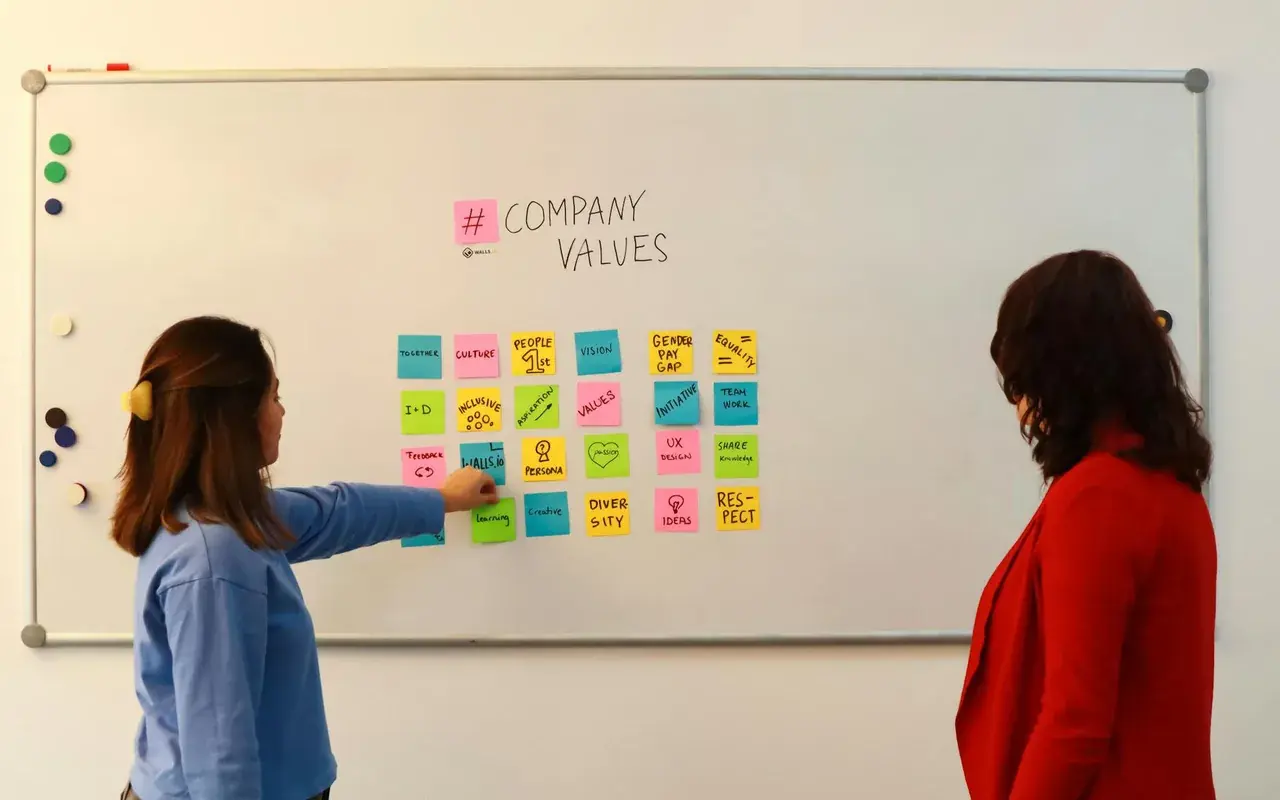
Echter Purpose entsteht nicht in einem Workshop mit Post-its. Er entsteht, wenn Menschen ihre individuellen Stärken mit den Zielen ihres Unternehmens verbinden können – und wenn diese Verbindung täglich spürbar ist.
Was Purpose im Unternehmenskontext wirklich bedeutet
Purpose ist keine Mission und kein Vision-Statement. Purpose beantwortet die Frage: Warum existiert dieses Unternehmen – jenseits von Gewinnmaximierung? Und noch wichtiger: Warum arbeite ich hier – jenseits meines Gehalts?
Die Forschung unterscheidet drei Ebenen von Purpose:
1. Organisationaler Purpose
Der übergeordnete Daseinszweck des Unternehmens. Was verändert sich in der Welt, weil es dieses Unternehmen gibt? Beispiele: Patagonia («We're in business to save our home planet»), IKEA («Den vielen Menschen einen besseren Alltag schaffen»).
2. Team-Purpose
Die spezifische Bedeutung, die ein Team für das Gesamtsystem hat. Ein Buchhaltungsteam existiert nicht, um Rechnungen zu verarbeiten – es existiert, um dem Unternehmen finanzielle Handlungsfähigkeit zu sichern.
3. Individueller Purpose
Die persönliche Verbindung zwischen den Stärken, Werten und Motivationen eines Menschen und seiner Arbeit. Hier wird Purpose greifbar – oder scheitert.
Die Herausforderung: Die meisten Unternehmen formulieren Ebene 1, ignorieren Ebene 2 und überlassen Ebene 3 dem Zufall. Das ist der Grund, warum Purpose-Initiativen so häufig scheitern.
Warum Purpose kein «Nice-to-have» ist
Die Datenlage ist eindeutig. Unternehmen mit einer starken Purpose-Kultur zeigen messbar bessere Ergebnisse:
| Kennzahl | Purpose-starke Unternehmen | Durchschnitt |
|---|---|---|
| Mitarbeiterbindung | 40% geringere Fluktuation | Baseline |
| Produktivität | 21% höhere Produktivität | Baseline |
| Kundenzufriedenheit | 10% höhere NPS-Werte | Baseline |
| Innovation | 30% mehr umgesetzte Innovationen | Baseline |
| Krankheitstage | 41% weniger Abwesenheiten | Baseline |
Quelle: Gallup State of the Global Workplace Report, McKinsey Purpose Study, Deloitte Human Capital Trends.
Der Mechanismus dahinter ist einfach: Wenn Menschen wissen, *warum* ihre Arbeit wichtig ist, investieren sie mehr Energie, zeigen mehr Initiative und bleiben länger. Purpose ist kein Soft-Faktor – er ist ein Leistungstreiber.
Die 5 Phasen der Purpose-Entwicklung im Unternehmen
Phase 1: Purpose Discovery – Den Kern freilegen
Bevor Purpose formuliert werden kann, muss er entdeckt werden. Das klingt paradox, aber viele Unternehmen haben ihren wahren Purpose längst – er wurde nur nie artikuliert.
Methoden:
• Gründergeschichte analysieren: Warum wurde das Unternehmen gegründet? Welches Problem sollte gelöst werden?
• Kunden befragen: Was verändert sich im Leben der Kunden durch eure Produkte/Dienstleistungen?
• Mitarbeitende einbeziehen: In welchen Momenten sind Mitarbeitende am stolzesten auf ihre Arbeit?
• Profilingvalues Werte-Assessment: Welche Werte leben die Menschen im Unternehmen tatsächlich – und welche stehen nur auf dem Papier?
Wichtig: Purpose wird nicht erfunden. Er wird ausgegraben. Ein Purpose, der nur das Marketing-Team begeistert, ist kein Purpose – er ist eine Kampagne.
Phase 2: Purpose Alignment – Stärken und Sinn verbinden
Hier kommt die eigentliche Transformationsarbeit. Der organisationale Purpose muss mit den individuellen Stärken und Werten jedes Teammitglieds verknüpft werden.
CliftonStrengths® als Schlüssel: Das Gallup CliftonStrengths®-Assessment identifiziert die Top-Talente jedes Mitarbeitenden. Wenn Menschen ihre Stärken kennen, können sie bewusst erkennen, *wie* sie zum Purpose beitragen.
Beispiel: Ein Unternehmen mit dem Purpose «Komplexität für unsere Kunden vereinfachen» hat eine Mitarbeiterin mit den Top-Stärken *Analytik*, *Wissbegier* und *Kommunikation*. Ihr individueller Purpose-Beitrag: «Ich durchdringe komplexe Zusammenhänge und übersetze sie in klare, verständliche Sprache.»
Profilingvalues ergänzt: Das Profilingvalues-Assessment zeigt, ob die Werthaltung einer Person zur Purpose-Kultur des Unternehmens passt. So wird Purpose nicht nur ein kognitives Konzept, sondern eine gelebte Haltung.
Phase 3: Purpose Communication – Sinn erlebbar machen
Purpose muss kommuniziert, wiederholt und vorgelebt werden. Die häufigsten Fehler:
• Purpose wird einmal in einem All-Hands vorgestellt und dann vergessen.
• Purpose hängt als Poster im Eingang, wird aber in Entscheidungen nicht referenziert.
• Leadership spricht über Purpose, handelt aber nach anderen Prioritäten.
Best Practices:
• Purpose in Entscheidungen: Bei jeder wichtigen Entscheidung fragen: «Ist das im Einklang mit unserem Purpose?»
• Purpose-Stories: Regelmässig Geschichten teilen, in denen der Purpose spürbar wurde (Kundenfeedback, Mitarbeitenden-Erlebnisse).
• Purpose-Check-ins: In Teammeetings eine kurze Reflexionsrunde: «Wo habe ich diese Woche Purpose erlebt?»
Phase 4: Purpose-basierte Führung (Purpose-Driven Leadership)
Führungskräfte sind die entscheidenden Multiplikatoren. Wenn sie Purpose nicht verkörpern, bleibt er eine Floskel.
Was purpose-getriebene Führung konkret bedeutet:
• Stärkenbasiert delegieren: Aufgaben so verteilen, dass Mitarbeitende ihre Top-Talente einsetzen können. Stärkenbasierte Führung macht Purpose im Alltag spürbar.
• Werte vorleben: Entscheidungen transparent an Werten ausrichten – auch wenn es unbequem ist.
• Psychologische Sicherheit schaffen: Teams brauchen einen Raum, in dem Purpose ehrlich diskutiert werden kann – auch kritisch. Mehr dazu in unserem Artikel zu psychologischer Sicherheit.
• Individuelle Purpose-Gespräche führen: In 1-on-1s regelmässig fragen: «Was gibt Ihnen Energie? Wo fühlen Sie sich in Ihrer Arbeit am sinnvollsten?»
Phase 5: Purpose Measurement – Wirkung messen
Was nicht gemessen wird, gerät in Vergessenheit. Purpose braucht Kennzahlen – aber andere als klassische KPIs.
Purpose-Metriken:
• Purpose-Score (Mitarbeiterbefragung): «Ich verstehe, wie meine Arbeit zum übergeordneten Ziel des Unternehmens beiträgt.» (Skala 1–10)
• Stärken-Einsatz-Quote: Wie viel Prozent ihrer Arbeitszeit verbringen Mitarbeitende in ihren Stärken-Bereichen?
• Engagement-Index: Gallup Q12 oder vergleichbare Instrumente.
• Retention-Rate: Verbleibt das Team nach der Purpose-Initiative stabiler?
• Purpose-Alignment in Profilingvalues: Verändern sich die Werte-Profile über die Zeit in Richtung des Unternehmens-Purpose?
CliftonStrengths® und Purpose: Die wissenschaftliche Verbindung
Die Forschung von Donald O. Clifton und dem Gallup-Institut zeigt: Menschen, die täglich ihre Stärken einsetzen, sind 6x wahrscheinlicher engaged bei der Arbeit. Engagement und Purpose sind eng verknüpft – wer seine Stärken kennt und einsetzt, erlebt Sinn.
Die 34 CliftonStrengths®-Talentthemen lassen sich in vier Domänen gruppieren:
• Ausführung (z.B. Leistungsorientierung, Disziplin): Purpose durch Umsetzung und Ergebnisse
• Einflussnahme (z.B. Kommunikation, Selbstbewusstsein): Purpose durch Wirkung auf andere
• Beziehungsaufbau (z.B. Empathie, Bindungsfähigkeit): Purpose durch tiefe Verbindungen
• Strategisches Denken (z.B. Analytik, Zukunftsorientierung): Purpose durch Ideen und Vision
Im Purpose-Kontext bedeutet das: Jeder Mensch findet Purpose auf einem anderen Weg. Ein «Achiever» braucht messbare Fortschritte, um Sinn zu erleben. Ein «Connectedness»-Talent erlebt Purpose, wenn es die grösseren Zusammenhänge spürt. Stärkenbasiertes Coaching macht diese individuellen Wege sichtbar.
Profilingvalues: Die Werte hinter dem Purpose
Während CliftonStrengths® zeigt, *was* jemand gut kann, zeigt Profilingvalues, *woran* jemand glaubt. Purpose entsteht an der Schnittstelle beider.
Das Profilingvalues-Assessment misst die Urteilskompetenz in drei Dimensionen:
• Intrinsisch: Wie bewertet jemand Menschen und Beziehungen? → Purpose durch zwischenmenschliche Wirkung
• Extrinsisch: Wie bewertet jemand praktische Ergebnisse? → Purpose durch greifbare Resultate
• Systemisch: Wie bewertet jemand Prinzipien und Ordnung? → Purpose durch Struktur und Bedeutung
Für die Purpose-Entwicklung im Unternehmen heisst das: Wenn die Werthaltung der Mitarbeitenden (gemessen durch Profilingvalues) zum organisationalen Purpose passt, entsteht authentische Identifikation. Wenn nicht, entsteht Zynismus – egal wie inspirierend der Purpose formuliert ist.
Praxisbeispiel: Purpose-Transformation in einem Schweizer KMU
Ausgangslage: Ein mittelständisches IT-Unternehmen in der Region Bern (ca. 85 Mitarbeitende) kämpfte mit hoher Fluktuation (22%), sinkendem Engagement und einer «Dienst-nach-Vorschrift»-Kultur. Das Unternehmen hatte ein Leitbild – aber niemand konnte es aus dem Stehgreif benennen.
Phase 1 – Discovery: In Workshops mit allen Hierarchieebenen wurde der wahre Purpose freigelegt: «Wir machen Technologie menschlich – damit unsere Kunden sich auf das konzentrieren können, was ihnen wichtig ist.»
Phase 2 – Alignment: Alle 85 Mitarbeitenden durchliefen das CliftonStrengths®-Assessment und ein Profilingvalues-Profil. In individuellen Coaching-Sessions wurde der persönliche Purpose-Beitrag jedes Einzelnen erarbeitet.
Phase 3 – Communication: Der Purpose wurde in die interne Kommunikation integriert: Purpose-Stories im Intranet, Purpose-Check-ins in Teammeetings, Purpose-basierte Kundenpräsentationen.
Phase 4 – Leadership: Alle Führungskräfte durchliefen ein Purpose-Driven Leadership Programm mit Fokus auf stärkenbasierte Führung und werteorientierte Entscheidungsfindung.
Phase 5 – Measurement: Nach 12 Monaten zeigten die Daten:
• Fluktuation: 22% → 11%
• Engagement-Score (Gallup Q12): +34%
• Kundenzufriedenheit (NPS): +18 Punkte
• Krankheitstage: –28%
Häufige Fehler bei der Purpose-Entwicklung
Fehler 1: Purpose von oben verordnen
Purpose, der nur vom Vorstand formuliert wird, bleibt ein Fremdkörper. Mitarbeitende müssen den Purpose mitentwickeln und individuell interpretieren dürfen.
Fehler 2: Purpose ohne Konsequenzen
Wenn der Purpose «Nachhaltigkeit» heisst, aber das Unternehmen weiterhin in nicht-nachhaltige Projekte investiert, entsteht Zynismus statt Engagement.
Fehler 3: Purpose ohne individuelle Anbindung
Ein grossartiger Organisationszweck nützt nichts, wenn der einzelne Mitarbeitende nicht weiss, wie *seine* Stärken dazu beitragen. Hier braucht es individuelle Coaching-Gespräche.
Fehler 4: Purpose als einmaliges Event
Purpose ist kein Workshop-Ergebnis, das einmal definiert und dann abgeheftet wird. Er muss kontinuierlich belebt, hinterfragt und weiterentwickelt werden.
Fehler 5: Purpose ohne Messbarkeit
Ohne Kennzahlen bleibt Purpose eine Behauptung. Regelmässige Pulse-Checks, Engagement-Surveys und Purpose-Gespräche halten den Fokus.
Der ROI von Purpose: Zahlen, die überzeugen
Für skeptische Entscheidungsträger: Purpose rechnet sich. Eine Meta-Analyse von über 200 Studien zeigt:
• Mitarbeiterbindung: Purpose-getriebene Unternehmen sparen durchschnittlich CHF 48'000 pro verhinderter Kündigung (basierend auf Schweizer Durchschnittsgehältern und Rekrutierungskosten).
• Produktivität: 21% höhere Produktivität bei engagierten Mitarbeitenden (Gallup) – bei einem Team von 50 Personen ein Äquivalent von 10 Vollzeitstellen.
• Employer Branding: 9 von 10 Millennials und Gen-Z-Mitarbeitenden würden für eine sinnvolle Arbeit auf Gehalt verzichten (Deloitte Millennial Survey).
So starten Sie: Nächste Schritte
1. Standortbestimmung: Wo steht Ihr Unternehmen auf der Purpose-Reise? Haben Sie einen formulierten Purpose? Kennen Ihre Mitarbeitenden ihn? Leben Ihre Führungskräfte ihn vor?
2. Stärken-Mapping: Führen Sie ein teamweites CliftonStrengths®-Assessment durch. Verstehen Sie, welche Talente in Ihrem Unternehmen schlummern.
3. Werte-Analyse: Nutzen Sie das Profilingvalues-Assessment , um die tatsächliche Werthaltung Ihres Teams zu verstehen – nicht die gewünschte.
4. Purpose-Coaching: Arbeiten Sie mit einem zertifizierten Coach, der sowohl CliftonStrengths® als auch Profilingvalues beherrscht. Vereinbaren Sie ein Erstgespräch und erfahren Sie, wie Purpose in Ihrem Unternehmen lebendig wird.
Fazit: Purpose ist der stärkste Hebel für nachhaltige Leistung
Purpose im Unternehmen zu entwickeln ist keine Marketing-Übung und kein HR-Projekt. Es ist eine strategische Entscheidung, die Unternehmenskultur, Führung, Talentmanagement und Geschäftsergebnisse gleichzeitig transformiert.
Die Kombination aus CliftonStrengths® (Was kann ich?) und Profilingvalues (Was ist mir wichtig?) schafft eine einzigartige Grundlage, um Purpose nicht als abstraktes Konzept, sondern als tägliche Erfahrung zu verankern.
Denn am Ende gilt, was Viktor Frankl schon wusste: «Wer ein Warum zu leben hat, erträgt fast jedes Wie.» Das gilt für Menschen – und für Unternehmen.
Quellen
• Gallup (2023): State of the Global Workplace Report
• McKinsey & Company (2022): Purpose: Shifting from why to how
• Deloitte (2023): Global Human Capital Trends
• Frankl, V. E. (1946): …trotzdem Ja zum Leben sagen – Kösel-Verlag
• Clifton, D. O. & Harter, J. K. (2003): Investing in Strengths – Gallup Press
• Hartman, R. S. (1967): The Structure of Value – Southern Illinois University Press
• Sinek, S. (2009): Start with Why – Portfolio/Penguin
Weiterlesen
• Profilingvalues in der Führungskräfte-Entwicklung
• ProfilingValues: Werte als Kompass – Grundlagen des Assessments
Weiterführende Inhalte
Wie es für Sie weitergeht
Weiterlesen: passende Artikel
- CliftonStrengths® Leadership Bundle + Profilingvalues: Die stärkste Kombination für Führungskräfte-Entwicklung
- Burnout frühzeitig erkennen: Wie Profilingvalues Unternehmen hilft, Warnsignale sichtbar zu machen
- Berufliche Neuorientierung mit Profilingvalues: Der 90-Tage-Prozess
- Warum brauche ich einen Coach? 9 Gründe, warum sich Coaching wirklich lohnt
Coaching-Programme
- Team- & FührungscoachingStärkenbasierte Teamentwicklung für Führungskräfte und Teams.
- Purpose Kompass (90 Tage)Strukturierter Weg von Stärken zur tragfähigen Purpose-Formulierung.
- Stärken-Durchbruchs-Coaching (SDC)1:1-Prozess, um Top-Talente in Rollen und Entscheidungen zu übersetzen.
- Kostenloses 30-Min-Gespräch buchenUnverbindlich klären, welcher Weg zu Ihrer Situation passt.
Erfolgsstories
Echte Verläufe aus dem Coaching – vom ersten Gespräch bis zur Umsetzung.
Alle Erfolgsstories ansehenBereit für den nächsten Schritt?
Buchen Sie jetzt Ihr kostenloses 30-Minuten-Gespräch. Wir klären Ausgangslage, Ziel und nächsten Schritt – unverbindlich und vertraulich.
- Kostenlos & unverbindlich
- 30 Minuten
- Innerhalb 24 h Termin
Das nehmen Sie aus den 30 Minuten mit
- Klarheit über Ihre aktuelle Ausgangslage
- Eine konkrete Empfehlung für Ihren nächsten Schritt
- Einschätzung, welches Format (Coaching, Assessment, Training) passt
Häufige Fragen
Fragen Sie antippen, um die Antwort zu öffnen.
Purpose beantwortet, warum ein Unternehmen jenseits der Gewinnmaximierung existiert – und warum Mitarbeitende jenseits ihres Gehalts dort arbeiten. Er wirkt auf drei Ebenen: organisational, im Team und individuell.
Die Vision beschreibt ein Zukunftsbild, die Mission den Weg dorthin. Purpose beschreibt den Daseinszweck: welchen Unterschied das Unternehmen für Menschen macht. Ohne Purpose bleiben Vision und Mission Formulierungen ohne Bindungskraft.
Ein tragfähiger Prozess dauert je nach Organisationsgrösse drei bis zwölf Monate: Standortbestimmung, Purpose-Arbeit auf Team-Ebene, individuelle Stärken- und Werteklärung und danach die Verankerung in Führung, Zielen und Personalprozessen.
CliftonStrengths® macht sichtbar, wo Menschen natürliche Höchstleistung erbringen; Profilingvalues zeigt die Werte- und Motivationsstruktur. Zusammen verbinden sie individuellen Purpose messbar mit dem Purpose der Organisation.
Typische Warnsignale: Purpose steht nur auf Slides, Führungskräfte können ihn nicht in eigenen Worten erklären, Ziele widersprechen ihm und Mitarbeitende können ihren persönlichen Beitrag nicht benennen.
Über Engagement-Werte (z. B. Gallup Q12), Fluktuation und Krankheitstage, Bewerbungsqualität sowie Teamkennzahlen wie Produktivität und Kundenzufriedenheit – jeweils vor Projektstart erhoben und danach regelmässig wiederholt.
Alle 2 Wochen: 1 Impuls, 1 Übung, 1 Frage.
Kompakt, praxisnah, kostenlos. Für alle, die Klarheit über Berufung, Stärken und nächste Schritte suchen – ohne Newsletter-Flut.
- Neue Coaching-Artikel & Tools zuerst
- Übungen aus Positiver Psychologie & CliftonStrengths®
- Jederzeit abbestellbar, keine Werbung Dritter
Lieber direkt sprechen?
Buchen Sie Ihr unverbindliches Erstgespräch – wir klären Ausgangslage, Ziel und nächsten Schritt.
Kostenloses 30-Min-Gespräch buchenKein Verkaufsdruck · Zertifizierter Purpose Coach®
Quellen & weiterführende Links
Purpose-Newsletter abonnieren
Erhalten Sie neue Artikel, Impulse und Termine direkt per E-Mail – kurz, konkret, jederzeit abbestellbar.